1. Let responders lead
Fire and emergency crews handle the immediate danger. Cleanup begins only when responders say the scene is safe to enter, and the team asks what they found.
Farmington, MO · St. Francois County
What happens after the fire department clears a hazmat scene in Farmington? The site still needs cleaning. Call (877) 812-4220 for containment, removal, surface cleanup and records for your insurer.
If anyone is in danger, call 911 first. For a suicide crisis, call or text 988.
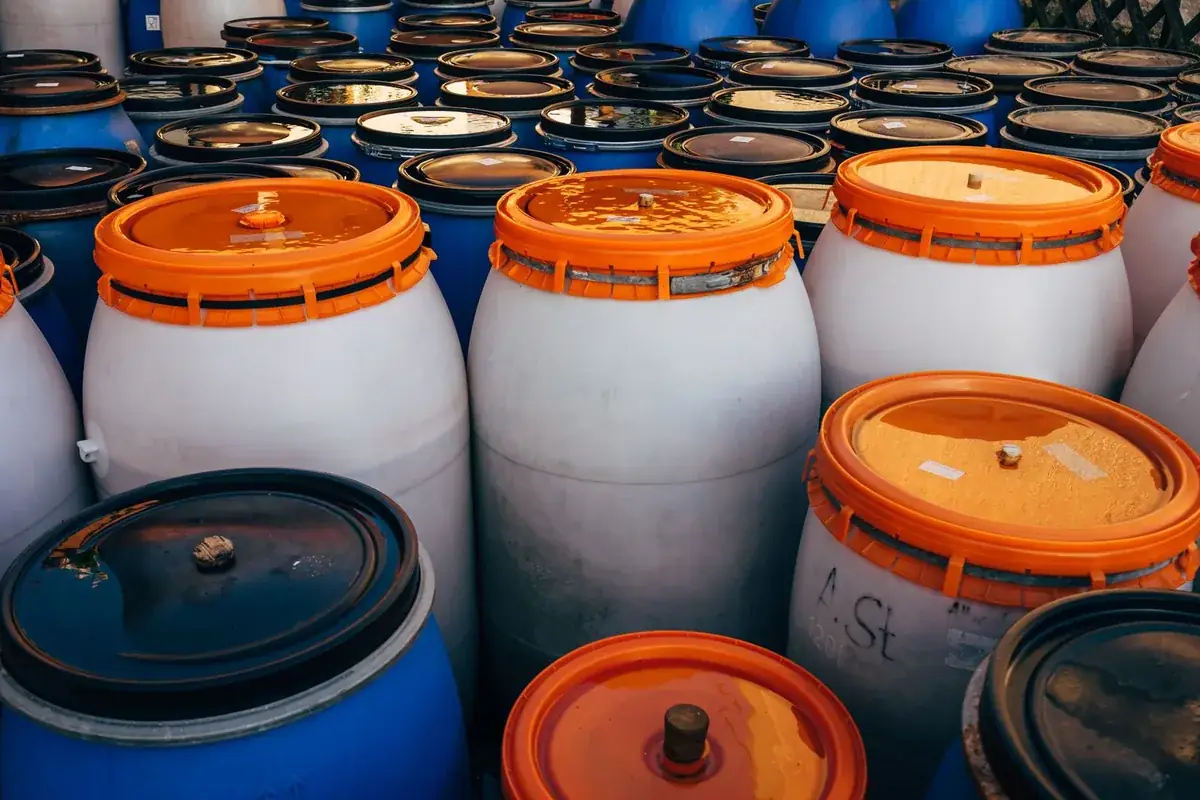
Hazardous cleaning services protect the people near a release and the people doing the work. Crews check safety data sheets, wear gear matched to the hazard and never mix products.
Anywhere in Farmington and St. Francois County, you can get the material identified, the spread contained, the contaminated debris removed and the waste hauled lawfully. Call Farmington Biohazard Cleanup Help to start.
Farmington receives about 45 inches of precipitation a year, and rain can wash spilled fuel and chemicals into ditches, drains and yards. St. Francois County has a Relatively Low river flood risk rating from FEMA, but a leak near a ditch or storm drain can still carry hazardous materials off a property.
A typical hazmat cleanup job includes:
Fire and emergency crews handle the immediate danger. Cleanup begins only when responders say the scene is safe to enter, and the team asks what they found.
The team checks labels, placards, safety data sheets and the history of the site. If the substance is unknown, it is treated as hazardous until identified.
Product and contaminated debris come out first. The site and the crew's own equipment are then cleaned with products suited to the material.
The team inspects the cleaned area and explains the result. Hazardous waste leaves the property in labeled containers for lawful disposal.
Hazmat cleanup in Farmington, MO typically costs $4,000 to $40,000, depending on the size of the affected area and the materials involved.
The hazmat cleanup cost depends first on the material and the amount. Some products are simple to absorb and package, while others need special handling and disposal.
| Type of job | Typical range |
|---|---|
| Small to mid-size spaces | $4,000 - $40,000 |
| Initial cleanup and containment | $6 - $20 per square foot |
These ranges come from published cost guides (One and Done Prep) and are not a quote for Farmington. Price drivers include type of contaminant, square footage, containment setup, waste disposal. For a real number, call (877) 812-4220.
Keep people away and call 911 if there is danger. Cleanup teams place barriers and absorbents to stop the spread and remove contaminated soil or materials where needed. Local fire and health officials can say what must be reported.
Biohazard usually means materials that carry germs, such as blood and body fluids. Hazmat means materials that are dangerous in other ways, such as chemicals, fuels and gases. Some jobs involve both. A local team can explain which applies to your situation.
Small spills of familiar products may be manageable by following the label. Large, unknown or dangerous spills are not. Never mix products. If in doubt, leave the area, keep people and pets out and call 911 or Poison Control.
Fire and emergency crews respond to immediate dangers, so call 911 first. They make the scene safe. Cleanup usually follows once they release the site. You can then get a cleanup team for removal, cleaning and disposal, and learn what records to keep.
Do not open, move or smell them. Keep people and pets away and take photos from a safe distance. You can get a cleanup team to identify the contents, sort them by hazard and set up lawful disposal.
Yes. Floods and fires can break containers and mix contents. Crews identify what spilled, contain it and remove damaged containers and soaked materials. They also clean the surfaces the release touched.
Describe the spill by phone and the team explains the next safe step.
Call (877) 812-4220